Creative Ways to Use Leftover Rice
Leftover rice often ends up in the back of the fridge, forgotten and eventually discarded. However, this humble ingredient holds immense potential for creating quick, flavorful, and satisfying meals. Reinventing leftover rice not only helps reduce food waste but also opens up a world of culinary creativity. With a few simple techniques and ingredients, you can transform yesterday’s rice into today’s delicious dish.
This article explores various approaches to repurposing leftover rice, from classic fried rice to innovative rice cakes and refreshing salads. Each method is designed to be practical, adaptable, and suitable for busy schedules. By understanding the science behind stale rice and mastering a few key techniques, you can elevate simple leftovers into memorable meals.
Whether you are cooking for one or feeding a family, these ideas offer flexibility and convenience. The focus is on transparent processes and contextual suggestions, allowing you to customize each recipe to your taste and available ingredients. Let’s delve into the art of giving leftover rice a second life.
Understanding Leftover Rice
Leftover rice has a different texture compared to freshly cooked rice. When refrigerated, the starch molecules retrograde, leading to a drier and firmer texture. This change can actually be beneficial for certain dishes, as the grains are less sticky and hold their shape better when stir-fried or baked. Recognizing these properties helps in choosing the right method for transformation.
Proper storage is crucial to maintain the quality and safety of leftover rice. It should be cooled quickly and stored in an airtight container in the refrigerator. Ideally, it should be used within three to four days. Reheating leftover rice thoroughly is important to ensure it is safe to eat, as improper handling can lead to foodborne illness. Understanding these basics ensures that your creative dishes are both tasty and safe.
Another consideration is the type of rice. Long-grain varieties like jasmine or basmati tend to remain separate and fluffy, making them ideal for fried rice. Short-grain rice, such as sushi rice or arborio, is more sticky and can be shaped into cakes or used in creamy dishes. Knowing your rice type allows you to tailor your approach.
Classic Fried Rice Variations
Fried rice is perhaps the most well-known way to use leftover rice. The key to great fried rice lies in using cold, day-old rice, which has had time to dry out slightly, preventing mushy results. The process involves stir-frying the rice with aromatics like garlic, ginger, and green onions, along with a variety of proteins and vegetables. Popular additions include eggs, peas, carrots, and leftover meats such as chicken or shrimp.
One approach to customize fried rice is to experiment with different sauces and seasonings. Soy sauce, oyster sauce, miso paste, or even curry powder can impart distinct flavor profiles. For a healthier twist, you can use brown rice or a blend of grains. The flexibility of fried rice allows for incorporation of whatever vegetables and proteins are on hand, making it an excellent pantry-clearing meal.
Vegetable fried rice can be made equally satisfying without meat by adding tofu, mushrooms, or edamame. For those who enjoy a crispy texture, adding cashews or water chestnuts provides a pleasant crunch. The process of making fried rice is forgiving, so adjusting heat levels and cooking times allows for personal preference in doneness and crispness.
To ensure even cooking, it is recommended to cook the rice in batches if you are making a large quantity. Using a wok or a large skillet over high heat enables quick tossing, which helps achieve that characteristic smoky flavor known as “wok hei”. While it may be difficult to replicate this at home, using a very hot pan and working in small batches can approximate the effect.
Rice Cakes: Savory and Sweet Options
Leftover rice can be transformed into delightful rice cakes, which are flat, pan-fried patties that are crispy on the outside and tender inside. To make rice cakes, combine cooked rice with binding ingredients such as eggs, flour, or even mashed beans. Seasonings like garlic, herbs, or cheese can be added for extra flavor. The mixture is shaped into patties and fried until golden brown.
Savory rice cakes can be served as a side dish, appetizer, or even as a vegetarian main course. They pair well with dipping sauces like sweet chili, soy-ginger, or a yogurt-based sauce. For a more substantial meal, rice cakes can be topped with poached eggs, avocado, or a fresh salsa. The versatility of this dish makes it suitable for breakfast, lunch, or dinner.
On the sweet side, rice cakes can be prepared as a dessert or snack. Adding ingredients like cinnamon, vanilla, sugar, and dried fruits creates a comforting treat. Sweet rice cakes are often gluten-free and can be drizzled with honey or maple syrup. They are a creative way to repurpose rice for those with a sweet tooth.
The method for making rice cakes is straightforward. If the mixture is too sticky, adding more flour or breadcrumbs can help bind it. If it is too dry, a little milk or beaten egg can add moisture. Cooking them in a well-oiled pan over medium heat ensures even browning and a crisp exterior.
Refreshing Rice Salads
Rice salads are a excellent option for warm weather or light meals. They can be served chilled or at room temperature, making them perfect for meal prep or picnics. The neutral flavor of rice serves as a canvas for a variety of dressings and mix-ins. A simple vinaigrette made with olive oil, lemon juice, and herbs can be tossed with rice and vegetables for a quick and healthy dish.
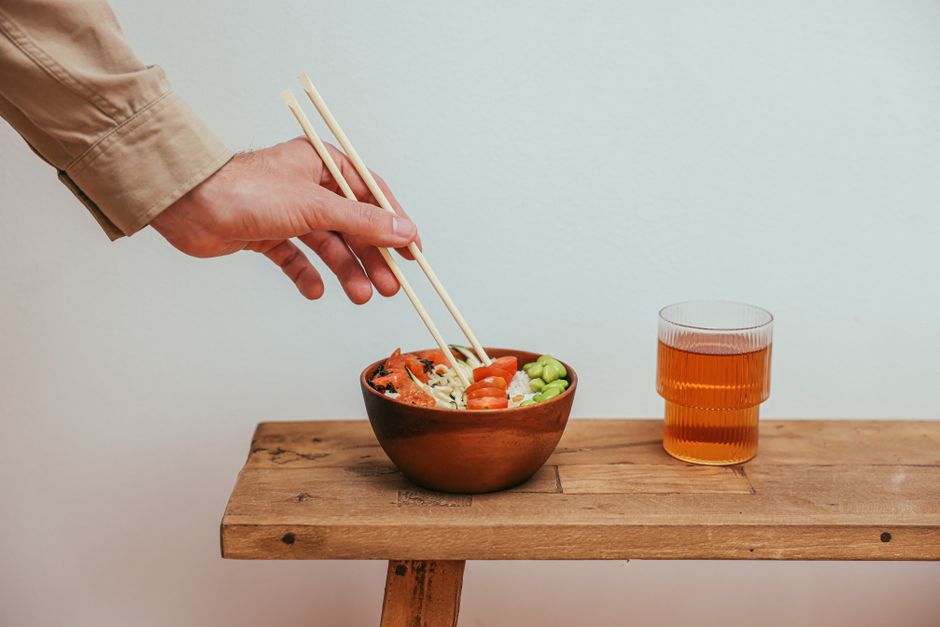
For a Mediterranean twist, combine rice with cucumbers, tomatoes, olives, feta cheese, and a lemon-oregano dressing. An Asian-inspired version might include edamame, shredded carrots, red peppers, and a sesame-ginger dressing. The possibilities are endless, allowing you to use up whatever vegetables are in your fridge.
Grains like rice pair well with protein sources such as chickpeas, tofu, or grilled chicken, turning a side salad into a filling main course. Adding fresh herbs like cilantro, mint, or parsley adds brightness and aroma. Nuts and seeds, such as almonds or sunflower seeds, provide crunch and texture.
When making a rice salad, it is important to allow the rice to cool completely to prevent it from becoming gummy. Fluffing the rice with a fork before combining with other ingredients helps separate the grains. The salad can be stored in the refrigerator for a few days, making it an excellent make-ahead lunch option.
Hearty Rice Soups and Casseroles
Leftover rice can also be incorporated into soups and casseroles, adding body and texture. In soups, rice acts as a thickener and provides a satisfying bite. A simple chicken and rice soup becomes heartier with the addition of leftover rice. Similarly, a vegetable minestrone can be extended with a handful of rice.
For casseroles, combine rice with a sauce, protein, and vegetables, then top with cheese or breadcrumbs and bake until bubbly. A classic example is a cheesy chicken and rice casserole, where leftover rice is mixed with a creamy sauce, chicken, and broccoli. This dish can be assembled quickly and is great for feeding a crowd.
Rice-based casseroles are adaptable to dietary preferences. Vegetarian versions can use beans or lentils instead of meat. Gluten-free binding agents may be needed if flour is used in the sauce, but many recipes rely on rice’s natural starch. The oven does the work, making this a low-effort way to repurpose leftovers.
When making a casserole, ensure that the rice is well-distributed so that it cooks evenly with the other ingredients. Adding a little extra liquid, such as broth, helps prevent the dish from drying out during baking. The result is a comforting, one-dish meal that highlights the versatility of leftover rice.
Global Inspirations and Flavoring Ideas
Leftover rice can be transformed using culinary traditions from around the world. From Spanish paella-style dishes to Indian-style rice pilafs, the flavor possibilities are vast. For a Spanish-inspired dish, sauté onions and peppers, add rice, tomatoes, and spices like saffron or smoked paprika, and optionally incorporate seafood or chicken.
An Italian twist might involve making a rice-based arancini, which are stuffed rice balls coated in breadcrumbs and fried. While arancini typically use risotto, leftover rice can be molded around a filling of cheese or ragu. This creates a crispy exterior and a gooey center, making for an impressive appetizer.
For a Middle Eastern flavor, combine rice with lentils, caramelized onions, and warm spices like cumin and cinnamon. This dish, known as mujadara, is simple yet deeply satisfying. Alternatively, a Mexican-style rice can be prepared by toasting the rice with garlic and onion, then simmering it with tomato and broth.
The key to incorporating global flavors is to experiment with spice blends, herbs, and condiments. Having a well-stocked pantry allows you to create diverse dishes without extensive effort. By exploring different cuisines, you can turn leftover rice into an exciting culinary journey.
Techniques for Proper Reheating and Storage
Knowing how to reheat leftover rice properly ensures that your dishes remain enjoyable. The microwave is the most common method, but it can lead to drying or uneven heating. Adding a splash of water or broth and covering the container helps create steam, which rehydrates the rice. Alternatively, reheating in a skillet with a little oil can give a toasted flavor.
For fried rice, using a hot wok or skillet is ideal. Heat oil, add the rice, and stir-fry until heated through, breaking up any clumps. This method allows for the addition of other ingredients to create a fresh meal. For rice cakes, reheating in a toaster oven or oven helps maintain crispiness.
Proper storage extends the life of leftover rice. Cooling rice quickly and keeping it in an airtight container prevents bacterial growth. Reheating rice should be done to an internal temperature of at least 165°F to ensure safety. It is not recommended to reheat rice more than once.
By adopting these storage and reheating practices, you can safely enjoy leftover rice throughout the week. The techniques also allow you to incorporate rice into various dishes, maximizing its utility.
Remember, the effectiveness of these methods depends on the quality of the rice, storage conditions, and reheating practices. Always follow safe food handling guidelines.