Budget-Friendly Dinners Using Canned Beans
Canned beans are a staple in many kitchens due to their affordability, long shelf life, and nutritional value. They offer a convenient base for a variety of dinners that are both hearty and economical. This article explores practical ways to turn a few cans of beans into satisfying meals, focusing on preparation methods and seasoning techniques that elevate their natural flavor.
Incorporating beans into weekly meal planning can help manage grocery expenses without sacrificing taste or nutrition. Beans are rich in protein and fiber, making them a filling ingredient that works well in numerous dishes. By learning a few simple strategies, anyone can create delicious and budget-friendly dinners using canned beans.
Understanding Canned Beans
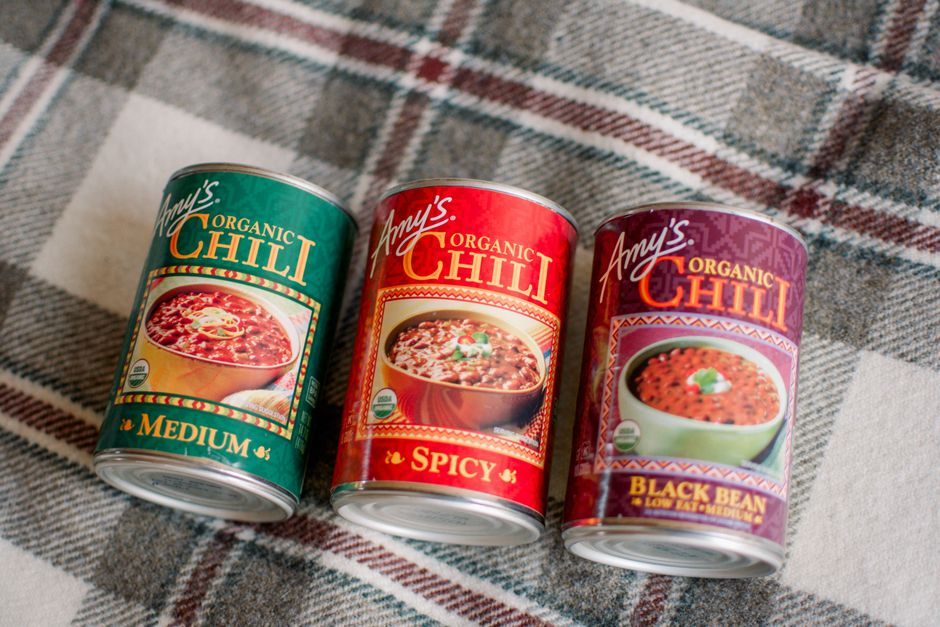
Canned beans come in many varieties, including black beans, kidney beans, pinto beans, chickpeas, and navy beans. Each type has a distinct texture and flavor profile, making them suitable for different recipes. When selecting canned beans, it is helpful to consider the intended dish and the desired consistency. For instance, black beans hold their shape well in soups and salads, while pinto beans are often mashed for refried beans.
One key aspect of using canned beans is managing their sodium content. Many canned beans are packed in a salty liquid, so rinsing them under cold water can reduce sodium by a significant amount. Rinsing also removes some of the starches that can cause digestive discomfort. Another option is to look for low-sodium or no-salt-added varieties, which offer more control over seasoning.
The liquid in canned beans, sometimes called aquafaba, can be used as an egg substitute in baking or to add moisture to dishes. However, for most savory recipes, it is usually better to drain and rinse the beans to avoid adding extra sodium and to keep the dish’s texture consistent.
Hearty One-Pot Meals
One-pot meals are ideal for busy weeknights because they require minimal cleanup and allow flavors to meld together. A simple yet satisfying option is a bean chili, which can be made with kidney beans, diced tomatoes, onions, and chili powder. The beans provide a hearty base, while the spices add depth. Cooking everything in a single pot over medium heat for about 20 minutes allows the flavors to develop.
Another versatile one-pot dish is a bean and vegetable stew. Start by sautéing onions and garlic in a little oil, then add chopped carrots, celery, and bell peppers. After a few minutes, pour in a can of diced tomatoes and a can of drained beans. Season with herbs like thyme or oregano, and let the stew simmer until the vegetables are tender. This dish can be served as is or over rice or pasta for a more filling meal.
For a different twist, consider making a bean curry. Using coconut milk and curry powder, you can create a creamy and aromatic sauce. Add chickpeas or black beans, along with spinach or other greens, and simmer until everything is heated through. Serve with rice or naan for a complete dinner.
Bean-Based Casseroles and Bakes
Casseroles are a classic comfort food that can be both economical and easy to prepare. A bean and cheese casserole typically combines cooked beans with a sauce, vegetables, and cheese, all baked together until bubbly. For example, you can layer pinto beans with enchilada sauce, corn, and shredded cheese in a baking dish. Top with tortilla chips or breadcrumbs for added crunch, and bake at 375°F for about 25 minutes.
Another option is a shepherd’s pie with a bean filling. Instead of ground meat, use lentils or a mix of beans, and top with mashed potatoes. The beans provide a protein-rich filling that is both savory and satisfying. Season the bean mixture with Worcestershire sauce, tomato paste, and herbs to mimic the traditional flavor.
For a lighter casserole, try a Mediterranean-inspired dish with white beans, cherry tomatoes, olives, and feta cheese. Combine these ingredients in a baking dish, drizzle with olive oil, and bake until the tomatoes burst and the cheese melts. This can be served as a main course or as a side dish alongside grilled chicken or fish.
Quick Skillet Dinners
Skillet meals are perfect for quick dinners, as they cook quickly on the stovetop. One simple idea is to sauté beans with onions, peppers, and spices to create a flavorful taco filling. Mash the beans slightly to help them hold together, and season with cumin, chili powder, and garlic. Serve in tortillas with your favorite toppings like lettuce, tomatoes, and salsa.
Another skillet option is a bean scramble, which is similar to a stir-fry. Heat oil in a skillet, add vegetables like zucchini and mushrooms, then stir in beans and a splash of soy sauce or tamari. Cook until everything is hot and well combined. This dish is versatile and can be adapted based on what vegetables are available.
For a heartier meal, consider making a bean and quinoa skillet. Cook quinoa according to package instructions, then set aside. In the same skillet, sauté onions and garlic, add beans, tomatoes, and seasonings, and simmer briefly. Fold in the cooked quinoa and top with fresh herbs or a squeeze of lemon juice.
Seasoning Beans for Delicious Results
Proper seasoning is crucial to transform plain canned beans into a delicious dinner. The key is to build layers of flavor using aromatics, herbs, spices, and acidic ingredients. Start by sautéing onions, garlic, or shallots in oil to create a fragrant base. Then add spices such as cumin, smoked paprika, chili powder, or curry powder, toasting them briefly to release their oils.
Herbs like thyme, oregano, rosemary, and bay leaves add earthy notes, while fresh herbs like cilantro or parsley can be added at the end for brightness. Acidic ingredients like vinegar, lemon juice, or tomatoes help balance the richness of beans. A splash of apple cider vinegar or a squeeze of lime can elevate the overall flavor.
Salt is essential, but it should be added gradually, especially if the beans have been rinsed but still contain some sodium. Taste as you go and adjust seasoning accordingly. For an extra savory kick, consider adding a small amount of soy sauce, Worcestershire sauce, or nutritional yeast for a cheesy flavor.
Experimenting with different spice blends and fresh ingredients allows you to create a variety of dishes from the same can of beans, preventing mealtime monotony.
Stretching Meals with Beans
Beans can also be used to extend more expensive ingredients, making meals more economical without compromising on flavor. For example, mixing beans with ground meat can increase the volume of dishes like chili, meatballs, or burgers while reducing the amount of meat needed. This not only cuts costs but also adds fiber and nutrients.
Another approach is to use beans as a base for vegetarian versions of classic dishes. Replacing meat with beans in recipes like tacos, lasagna, or stir-fries can significantly lower the cost per serving. Additionally, beans can be blended into sauces or soups to add creaminess and body without the need for dairy or thickeners.
Incorporating beans into grain-based dishes like rice and beans or bean salads can also provide a balanced meal. Serving beans alongside rice or other whole grains creates a complete protein profile, which is particularly beneficial on a budget. These combinations are not only economical but also satisfying and nutritious.
Conclusion
Budget-friendly dinners using canned beans are accessible to anyone, regardless of cooking skill level. By understanding the basics of selecting and preparing canned beans, experimenting with seasonings, and employing various cooking methods, it is possible to create a wide range of hearty meals. The flexibility of beans allows for endless creativity in the kitchen, ensuring that meals remain interesting and delicious while staying within a budget.
Remember that the cost-effectiveness of beans is only one of their benefits; they are also a nutritious and sustainable protein source. Whether you are cooking for one or for a family, canned beans offer a practical solution for those seeking affordable and wholesome dinner options. Through mindful preparation and seasoning, each can of beans can be transformed into a satisfying meal that is both delicious and economical.