Top 5 Advanced Driver Assistance Systems Explained
Advanced Driver Assistance Systems, commonly abbreviated as ADAS, represent a suite of electronic technologies designed to assist drivers in the driving process. These systems are engineered to enhance vehicle safety and improve the overall driving experience by providing information, automating certain tasks, and intervening when necessary. The integration of sensors, cameras, and radar enables vehicles to perceive their surroundings and respond to potential hazards. This article explores five common ADAS features, explaining how they function and their role in supporting driver awareness and safety.
The development of ADAS reflects a broader trend toward increasing vehicle automation and reducing human error, which is a factor in many road incidents. While these systems do not replace the need for attentive driving, they offer an additional layer of support. Understanding these technologies can help drivers make informed decisions about utilizing them effectively. The following sections detail the operation, benefits, and considerations of each system.
It is important to recognize that ADAS technologies are continuously evolving, and their implementation may vary across different vehicle models and manufacturers. The explanations provided here are based on general principles and may not apply universally. Always refer to the specific vehicle’s owner’s manual for detailed guidance on system capabilities and limitations.
Adaptive Cruise Control
Adaptive Cruise Control (ACC) extends the functionality of traditional cruise control by automatically adjusting the vehicle’s speed to maintain a safe following distance from the vehicle ahead. Using forward-looking sensors, typically radar and cameras, ACC monitors the distance and relative speed of the leading vehicle. When the road ahead is clear, the system accelerates to a preset speed. When a slower vehicle is detected, ACC reduces the speed to maintain a set time gap.
The system operates by continuously processing sensor data and applying throttle or braking inputs as needed. Many ACC systems offer multiple following distance settings, allowing drivers to choose a gap that suits their preference and driving conditions. Some advanced versions can bring the vehicle to a complete stop in stop-and-go traffic and resume automatically when traffic moves again.
By reducing the need for constant speed adjustments, ACC can lessen driver fatigue on long journeys and potentially reduce the likelihood of rear-end collisions. However, it is essential for drivers to remain engaged and monitor the road, as ACC may not react to all hazards, such as stationary vehicles or pedestrians. Environmental factors like heavy rain or snow can also affect sensor performance, so the system may not always function optimally.
Lane Departure Warning and Lane Keeping Assist
Lane Departure Warning (LDW) systems alert drivers when the vehicle begins to drift out of its lane without the use of a turn signal. Using cameras to detect lane markings, the system monitors the vehicle’s position relative to the lane boundaries. If an unintended departure is detected, the system issues a visual, audible, or haptic warning to prompt the driver to correct course.
A related technology, Lane Keeping Assist (LKA), takes this a step further by actively steering the vehicle back into the lane if the driver does not respond. LKA applies gentle steering torque to guide the vehicle toward the center of the lane, operating as a supportive measure rather than a full autonomous control. Some systems may combine LDW and LKA, allowing the driver to choose the level of intervention.
These systems are particularly beneficial on highways and well-marked roads, where lane discipline is crucial for safety. They can help prevent accidents caused by driver distraction or drowsiness. However, LDW and LKA rely on visible lane markings; if markings are faded or obscured, the systems may not work effectively. Additionally, these systems are not designed to navigate complex driving situations, so the driver must maintain control and be prepared to take over at any time.
Automatic Emergency Braking
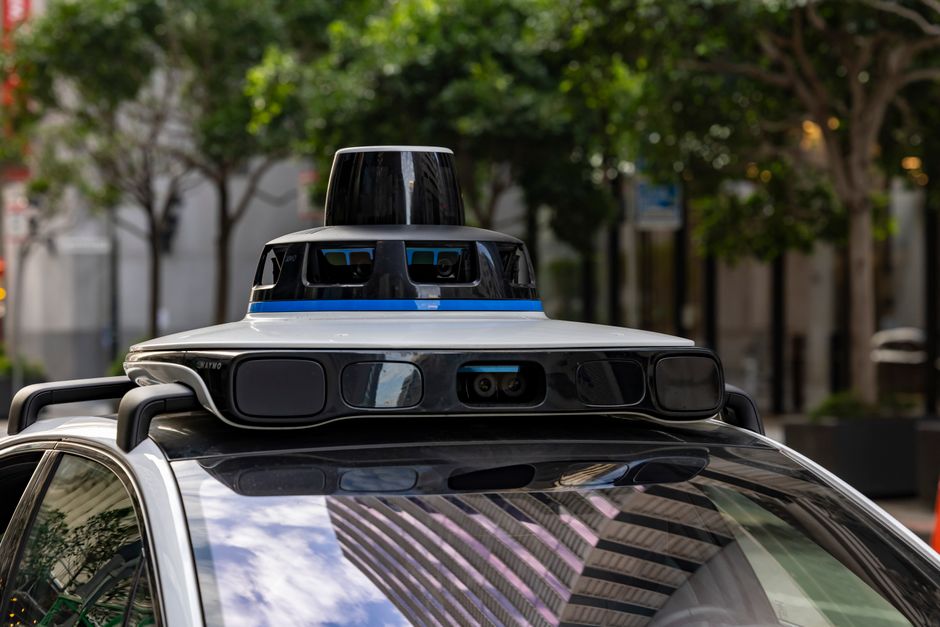
Automatic Emergency Braking (AEB) is a safety feature designed to detect an imminent collision and apply the brakes automatically if the driver does not respond in time. Using forward-facing sensors, such as radar, cameras, or LiDAR, AEB monitors the road ahead for vehicles, pedestrians, or other obstacles. When a potential collision is detected, the system first provides a warning to the driver. If the driver fails to act, AEB automatically applies the brakes to reduce the severity of the impact or avoid it altogether.
AEB systems vary in their capabilities; some operate at low speeds, primarily for city driving, while others are effective at higher speeds. Many systems also include pedestrian detection, which extends the safety benefit to vulnerable road users. The intervention can be a full emergency stop or a partial braking to mitigate the speed of impact.
The potential benefit of AEB lies in its ability to react faster than a human in certain situations, thus reducing the risk of rear-end collisions. However, the system’s effectiveness depends on factors such as sensor range, weather conditions, and the relative speed of vehicles. Drivers should not rely solely on AEB, but rather view it as a backup measure. Regular maintenance, including keeping sensors clean, is important for optimal performance.
Blind Spot Monitoring
Blind Spot Monitoring (BSM) systems help drivers detect vehicles in their blind spots—areas alongside the vehicle that are difficult to see with mirrors alone. Using radar sensors mounted on the rear corners of the vehicle, BSM continuously monitors adjacent lanes. When a vehicle enters the blind spot zone, the system alerts the driver through a visual indicator in the side mirror or on the interior pillar, and sometimes with an audible warning.
The system is designed to assist during lane changes and merging maneuvers. Some advanced BSM systems may also include a feature that provides steering or braking intervention if the driver initiates a lane change while a vehicle is in the blind spot, further enhancing safety. However, the driver remains responsible for checking mirrors and looking over their shoulder.
BSM is particularly useful for large vehicles like SUVs and trucks, where blind spots are larger. However, the system may not detect fast-approaching vehicles or motorcycles in all conditions. Additionally, BSM may be less effective in adverse weather or when sensors are obstructed by dirt or ice. Understanding the limitations of BSM is crucial for maintaining safe driving practices.
Rear Cross-Traffic Alert
Rear Cross-Traffic Alert (RCTA) is designed to assist drivers when reversing out of a parking space or driveway. Using radar sensors in the rear bumper, RCTA detects vehicles approaching from the sides and alerts the driver with visual and audible warnings. The system is particularly helpful in situations where visibility is restricted, such as when parked between large vehicles.
When the driver shifts into reverse, RCTA activates and monitors the area behind and to the sides of the vehicle. If a moving vehicle is detected within the sensor range, the system warns the driver to stop or proceed with caution. Some systems integrate with the vehicle’s brakes to automatically stop the car if a collision is imminent and the driver does not react.
This feature aims to reduce the risk of collisions in parking lots and driveways, where low-speed accidents are common. However, RCTA has limitations; it may not detect pedestrians, cyclists, or objects that are stationary, and its effectiveness can be reduced in poor weather conditions. Drivers should still exercise caution and use mirrors and rearview cameras as part of their reversing routine.
Conclusion and Integration
The five ADAS features described—adaptive cruise control, lane departure warning and keeping assist, automatic emergency braking, blind spot monitoring, and rear cross-traffic alert—represent a significant advancement in vehicle safety technology. Each system addresses specific areas of driver assistance, and when combined, they create a comprehensive safety net that can support drivers in various situations. It is important to note that these systems are not substitutes for attentive driving, but rather aids that enhance situational awareness and provide additional reaction time.
Integrating these technologies requires a layered approach, where sensors and cameras work together to provide a cohesive picture of the vehicle’s surroundings. Automakers like AutoGuide Hub continue to refine and innovate these systems, aiming to improve their reliability and expand their capabilities. As ADAS technology evolves, it may pave the way for higher levels of vehicle automation, but current systems remain fundamentally driver-assistive.
Drivers should familiarize themselves with the specific ADAS features available in their vehicles, understanding their operation and limitations. Regular system checks and maintenance are essential to ensure optimal performance. Ultimately, the effective use of ADAS combines technology with responsible driving behavior to enhance road safety for everyone.